General Contractor: Your Reliable Professional for Home Projects
A general contractor assumes a essential role in home projects. They manage various aspects of building, confirming that processes function smoothly. Their proficiency with building codes and compliance requirements enables them to overcome resource the complexities of licensing and inspections. This experienced professional serves as a critical link between homeowners and subcontractors. Yet, many homeowners remain unsure about the full scope of their services. Understanding these facts can greatly impact the success of any renovation effort.
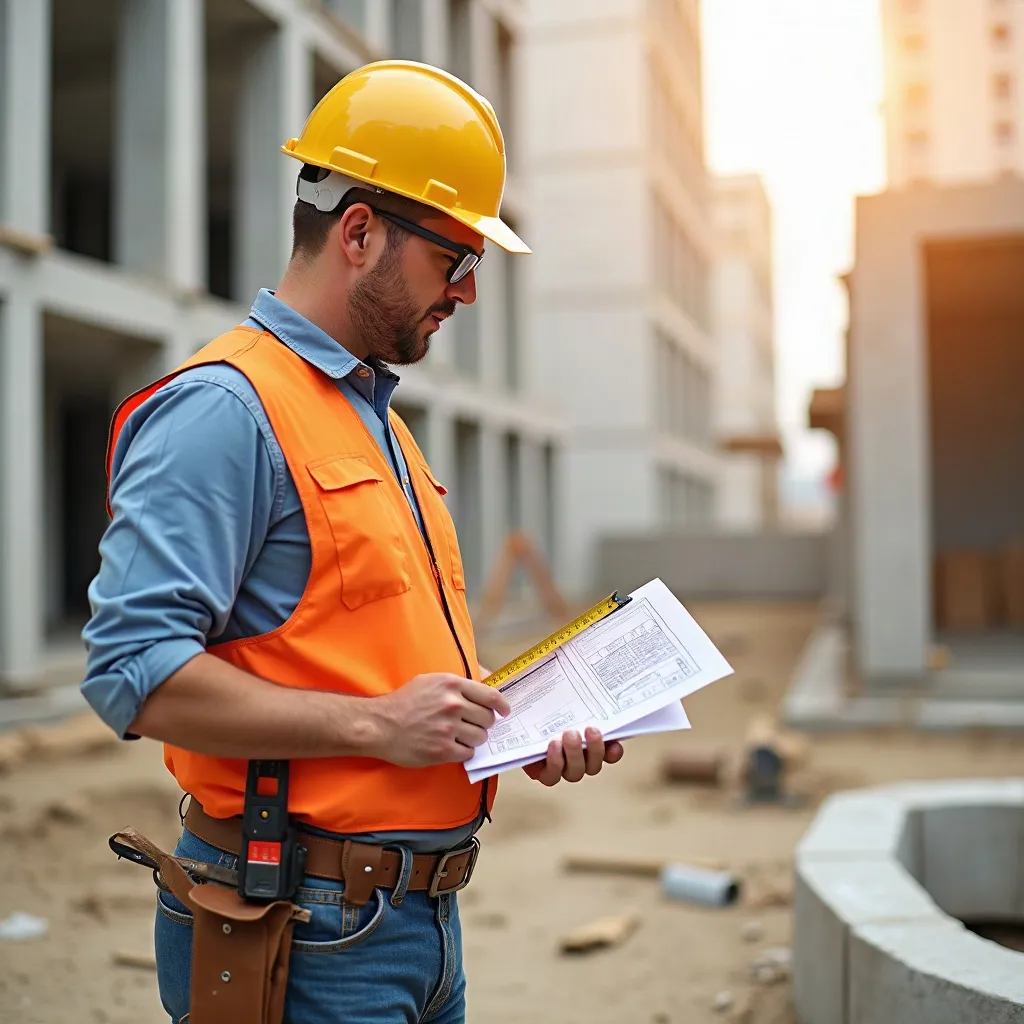
How Does a General Contractor Contribute?
A general contractor directs the various elements of a construction project, ensuring that all aspects proceed seamlessly from beginning to end. They function as the main liaison, overseeing communication between clients, subcontractors, and vendors. This position includes developing the construction schedule, organizing workforce, and maintaining adherence with local building codes and requirements.
General contractors are responsible for acquiring required licenses and arranging inspections, which are vital for maintaining safety and quality standards. They also manage budgeting, sourcing materials, and managing on-site activities to mitigate any potential delays or issues. In addition, they oversee subcontractors, ensuring that each phase of construction aligns with project specifications and timelines. Overall, a general contractor's expertise and organizational skills are crucial for completing a successful construction project, turning a client's vision into reality while balancing multiple tasks and responsibilities.
Advantages of Engaging a General Contractor for Residential Updates
Working with a skilled builder for house remodeling delivers numerous perks that can substantially enhance the quality and efficiency of the job. Experienced contractors offer expertise in project management, guaranteeing that schedules are followed and materials are managed efficiently. Their solid connections with subcontractors can result in competitive pricing and outstanding quality, which ultimately benefits property owners by reducing costs and time.
Furthermore, project managers handle the complex elements of permits and inspections, limiting conceivable compliance concerns. They also supply a one main contact, facilitating interaction and management among multiple specialists. This consolidation lowers the probability of errors and postponements.
Moreover, their background allows them to predict upcoming obstacles, making possible prompt resolutions to keep the project on track. By hiring a general contractor, homeowners can focus on their vision while enjoying peace of mind, recognizing that a professional is overseeing every aspect of the renovation.
Clearing Up Misconceptions Regarding Construction Professionals
While many property owners may hold misconceptions about contracting professionals, understanding the realities can lead to more educated decisions. One prevalent myth is that hiring a contractor is unnecessary for small projects; however, their expertise can simplify even minor renovations, ensuring adherence with local codes. Another frequent belief is that contractors are merely middlemen, but they often possess extensive knowledge in multiple areas, enabling them to oversee projects effectively. Additionally, some homeowners think that working with a contractor will significantly increase costs. In truth, a skilled contractor can often secure better pricing for materials and labor due to established relationships with suppliers and subcontractors. Finally, many believe that contractors are inflexible, but trusted contractors prioritize client communication and collaborate closely to meet individual needs. Cleared up myths can empower clients to leverage the real value of general contractors in achieving successful home projects.
How to Pick the Right General Contractor?
How can homeowners ensure they choose the right construction professional for their assignments? The procedure begins with comprehensive investigation. Homeowners should seek recommendations from friends, family, and online reviews to find potential candidates. Once a list is created, verifying qualifications, such as licensing, insurance, and bonding, is essential to verify legitimacy.
Next, property owners should request and review portfolios of past projects, focusing on assignments of comparable size. Setting up interviews allows homeowners to gauge compatibility, discussing timelines, budgets, and expectations. It's also advisable to obtain multiple quotes for comparison, offering a clear understanding of expenses.
Verifying references offers understanding of a contractor's dependability and expertise. Finally, relying on your gut feeling is important; an initial meeting can reveal much about a contractor's way of communicating and methodology. By following these steps, homeowners can significantly boost their likelihood of picking a general contractor who matches their objectives and goals.
Powerful Communication Tactics For Working Alongside Your General Contractor
How might homeowners implement methods to maintain strong dialogue with their general contractor? Setting up direct communication from the commencement is essential. Homeowners must distinctly articulate their needs, project goals, and financial limits during opening conversations. Frequent communications can be enabled through scheduled meetings, guaranteeing that both parties stay synchronized throughout the project.
Leveraging written documentation, like emails or project logs, strengthens spoken arrangements and decreases confusion. Homeowners should equally encourage open dialogue by welcoming feedback and questions from the contractor, building a collaborative atmosphere.
In addition, harnessing technology, such as project management apps, can improve communication by presenting a centralized interface for communicating updates, timelines, and changes. Finally, acting considerate and approachable can elevate rapport, enabling it easier for the contractor to voice challenges or suggestions effectively. By utilizing these strategies, homeowners can create a productive and transparent relationship with their general contractor.
What Lies Ahead When Your Project Commences?
As the project starts, homeowners can look forward to a flurry of activity on-site. The lead contractor will coordinate teams of skilled tradespeople, along with electricians, plumbers, and carpenters, who will begin their responsibilities following the established timeline. Homeowners may witness heavy machinery and materials being brought in, fostering a vibrant atmosphere.
Communication remains vital during this stage. The contractor will provide updates on progress and handle any concerns that occur. Homeowners should prepare for possible interruptions, such as sound and restricted entry to specific areas of the home.
Safety precautions will be in place to protect both workers and residents, ensuring a secure environment. Additionally, homeowners may be urged to keep flexibility, as unforeseen issues can arise, demanding adjustments to the original plan. Overall, this initial phase establishes the foundation for the successful completion of the project, and active engagement is essential.
Fundamental Concerns for Your Overall Contractor Agreement?
Deciding which questions to ask when completing a general contractor agreement is important for ensuring a trouble-free project. Homeowners should ask about the contractor's license and insurance to check their experience and protection against risks. Understanding the project timeline and milestones is significant; therefore, asking about projected completion dates helps manage expectations.
It is also necessary to articulate financial specifications, such as deposit amounts and payment schedules, to ward off misunderstandings. Home purchasers should procure a granular analysis of costs, featuring building materials and labor, to assure accountability. Concurrently, engaging in discussion about the system for handling changes or unforeseen issues can eliminate conflicts later.
Finally, homeowners must obtain information regarding the credentials of subcontractors, as well as the contractor's communication strategy throughout the project. By examining these matters, property owners can create a strong partnership with their main contractor, ultimately producing a successful home renovation.
Often Requested FAQs
How Do General Contractors Bill for Their Services?
General contractors typically charge through fixed fees, hourly pricing, or a cut of the total project price. Their fee structure may further encompass materials, human resources, and overhead, determined by the project's complexity and scope.
Can a General Contractor Help With Permits and Inspections?
Yes, a construction professional can assist with securing permits and conducting inspections oversight. They generally navigate local regulations and ensure compliance, streamlining the process for homeowners while facilitating necessary authorizations throughout the building endeavor.
What Qualifications Should I Determine in a General Contractor?
When picking a construction firm, one should review qualifications such as valid licensing, comprehensive insurance, experience in relevant projects, excellent references, and strong interpersonal abilities, confirming they possess the necessary expertise to manage the project successfully.
What Timeframe Should You Anticipate for a Typical Home Renovation Venture?
A ordinary home remodeling job can span anywhere from a few weeks to several months, contingent upon the breadth, complexity, and size of the project, as well as the availability of materials and labor.
What Happens if My Assignment Exceeds Cost Allowance?
Should a project go over budget, the contractor usually communicates the reasons and options with the property owner. Modifications may include reducing costs, seeking additional funding, or adjusting the project parameters to align with financial limits.